

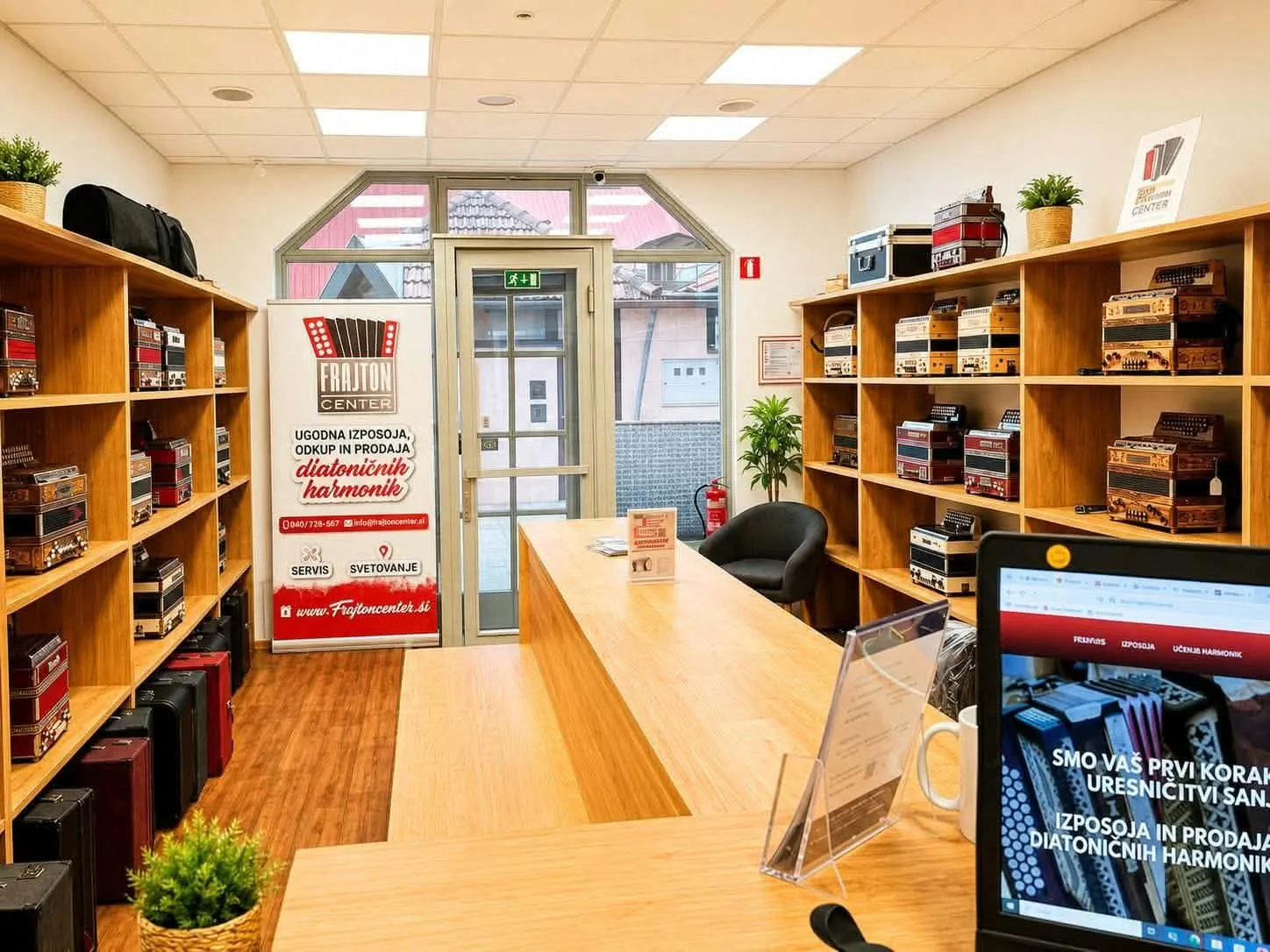
Diatonične harmonike · Žalec
Dobrodošli v Frajton Centru
Nove in rabljene diatonične harmonike, nakup na obroke brez pologa, izposoja, odkup in servis – z osebnim svetovanjem pri izbiri.
Nazadnje dodano: Uršič C-F-B 38- Do 84 obrokov brez pologa
- Izposoja 180 € / 3 mesece
- Garancija tudi na rabljene
- Gotovinski odkup
- Servis in uglaševanje
Partner meseca
V sodelovanju z vodilnimi ustvarjalci diatoničnih harmonik.

01Sveže v ponudbi
Novo v ponudbi
Zadnje dodane harmonike. Nove objave so označene samodejno – da takoj vidite, kaj je prišlo na novo.
-
 3 foto
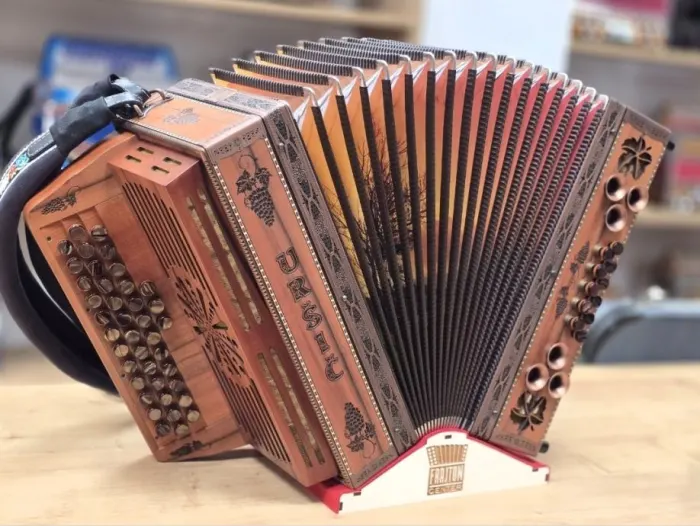
 Rabljena harmonika
Uršič C-F-B 38
- Uglasitev C-F-B
- Velikost 38
- Poltoni 37 + 3
2.150 €oz. 35,07 € / mesec -
 3 foto
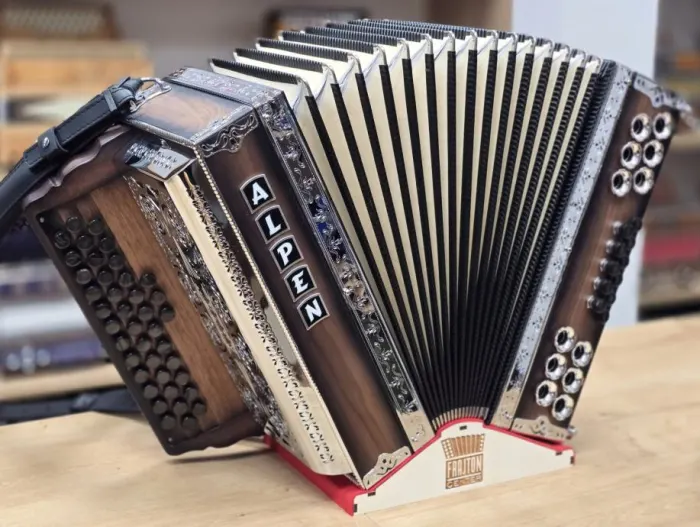
 Nova harmonika
Alpen C-F-B 38
- Uglasitev C-F-B
- Velikost 38
- Poltoni 37 + 3
2.950 €oz. 48,85 € / mesec -
 3 foto
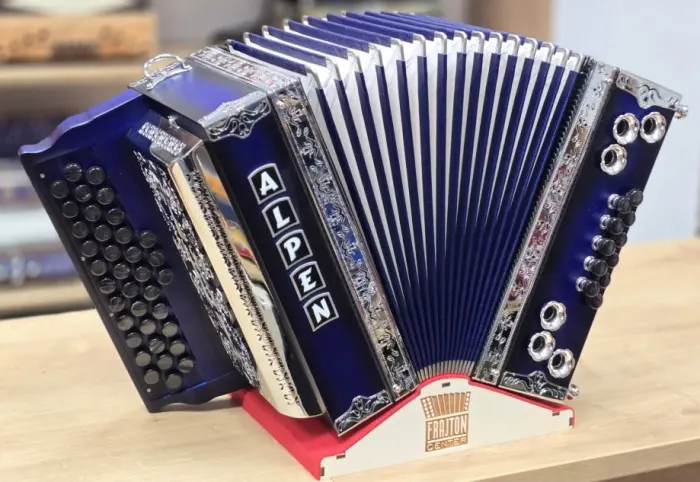
 Nova harmonika
Alpen ( C-F-B 30
- Uglasitev C-F-B
- Velikost 30
- Poltoni 34 + 3
1.950 €oz. 32,29 € / mesec -
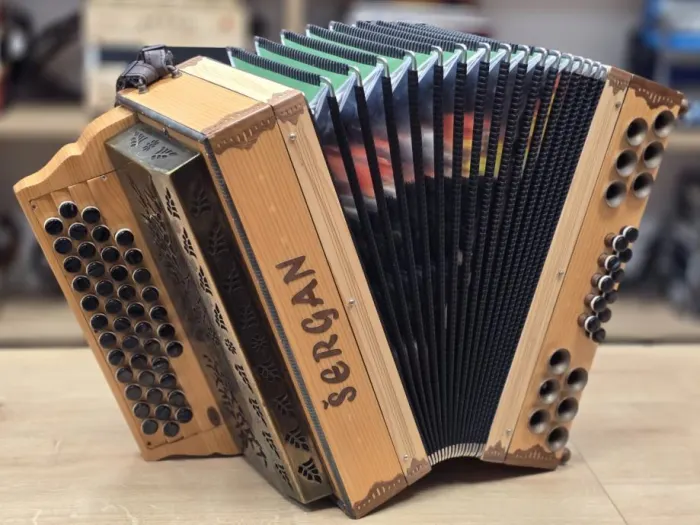 3 foto
 Rabljena harmonika
Šergan Cis Fis H Cis-Fis-H 38
- Uglasitev Cis-Fis-H
- Velikost 38
- Poltoni 37 + 7
1.750 €oz. 28,98 € / mesec -
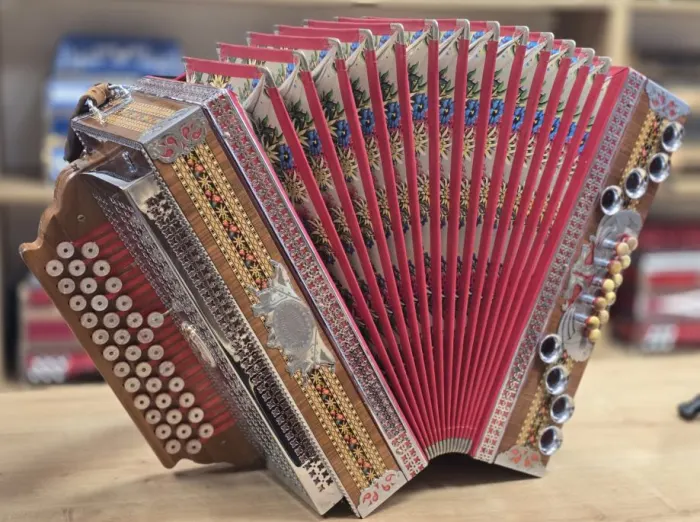 3 foto
 Rabljena harmonika
Melodija Speciale C-F-B 41
- Uglasitev C-F-B
- Velikost 41
- Poltoni 37 + 1
1.650 €oz. 27,32 € / mesec -
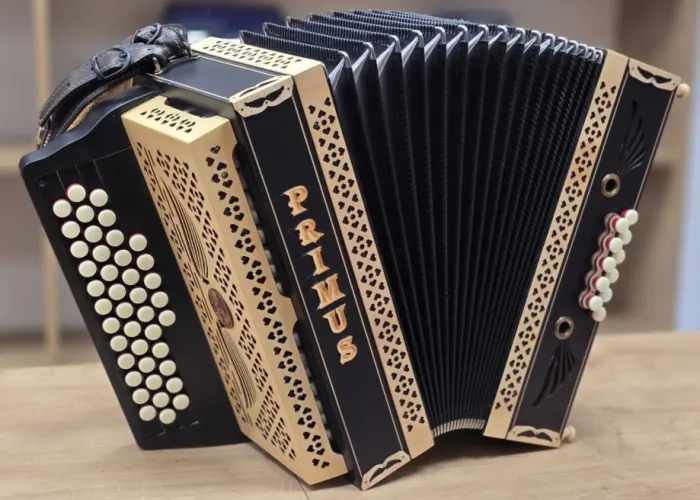 3 foto
 Rabljena harmonika
Primus C-F-B 38
- Uglasitev C-F-B
- Velikost 38
- Poltoni 37 + 5
3.490 €oz. 57,79 € / mesec -
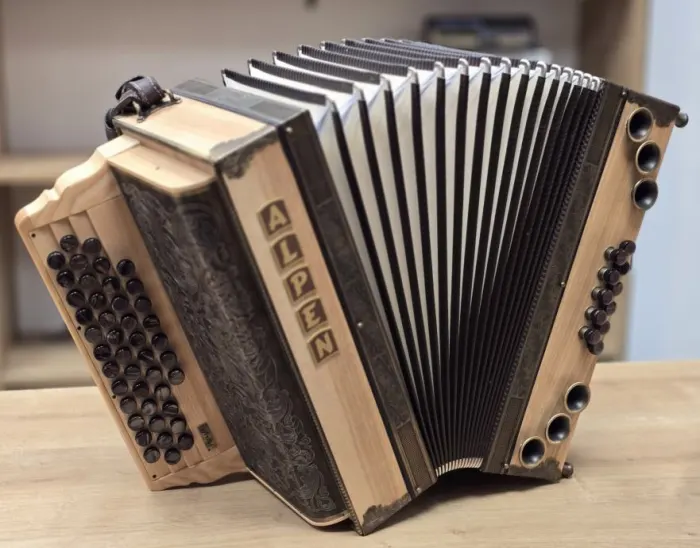 3 foto
 Rabljena harmonika
Alpen Artist C-F-B 38
- Uglasitev C-F-B
- Velikost 38
- Poltoni 37 + 7
2.990 €oz. 48,78 € / mesec -
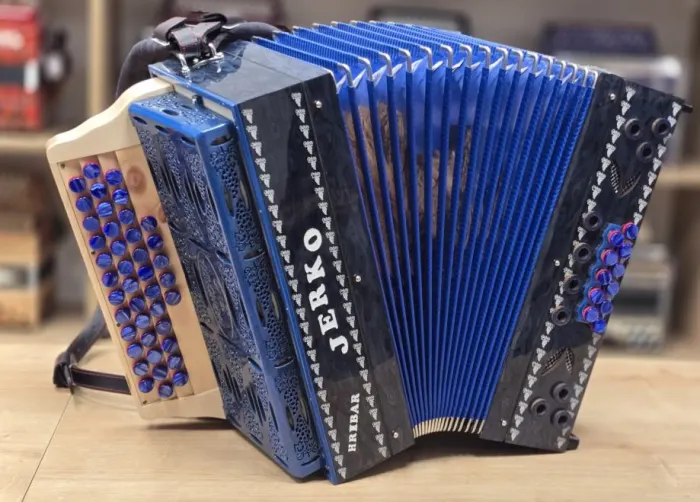 3 foto
 Nova harmonika
Jerko C-F-B 38
- Uglasitev C-F-B
- Velikost 38
- Poltoni 37 + 5
2.750 €oz. 44,86 € / mesec
02Ponudba
Odkup – izposoja – prodaja
Ne glede na to, ali šele začenjate ali iščete profesionalni instrument – pri nas najdete pravo pot do svoje harmonike.
-
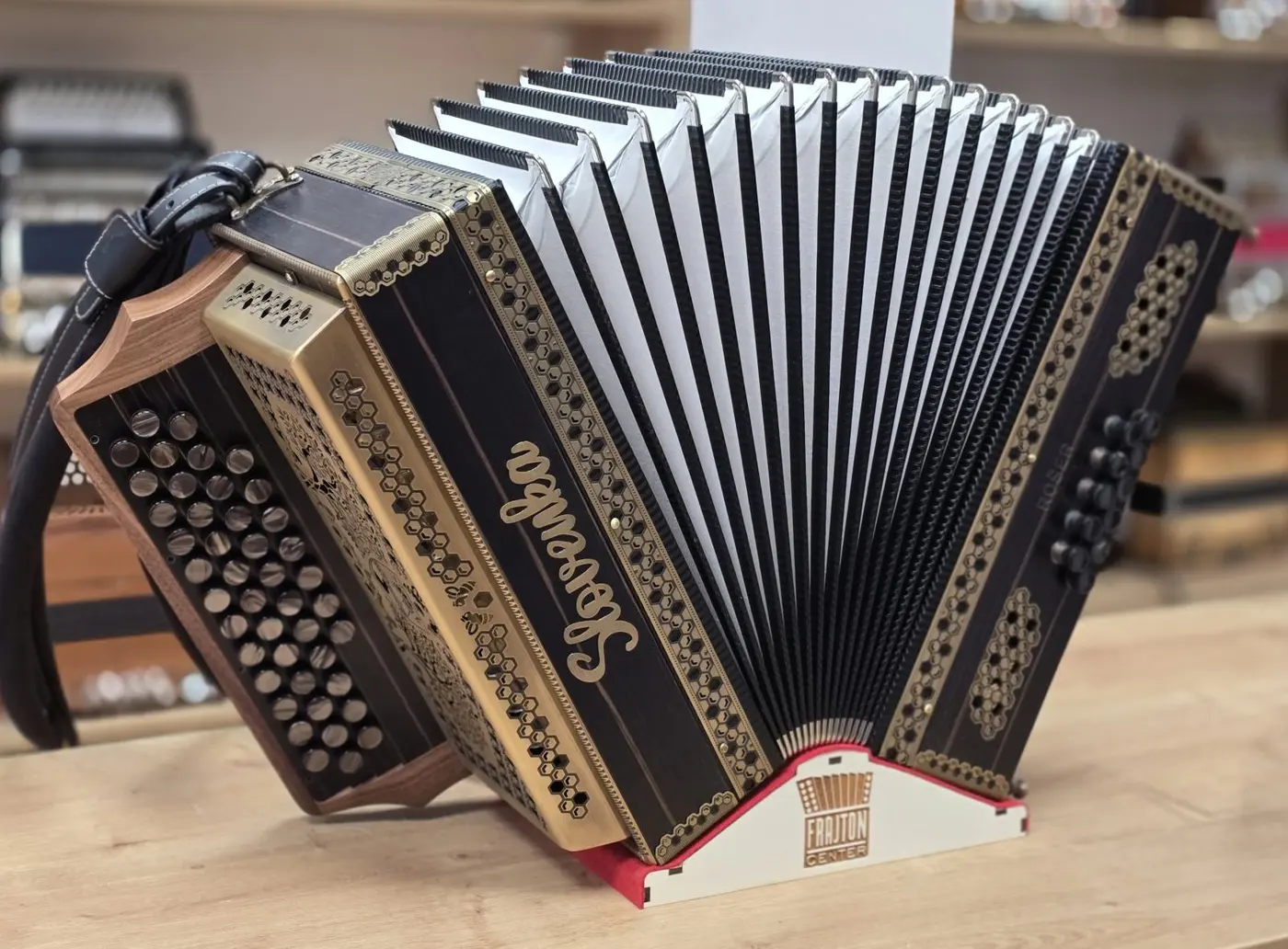 18 na zalogi
Nove harmonike
Jerko, Alpen, Slovenka, Primus … z garancijo, tudi na obroke brez pologa. Poglej nove -
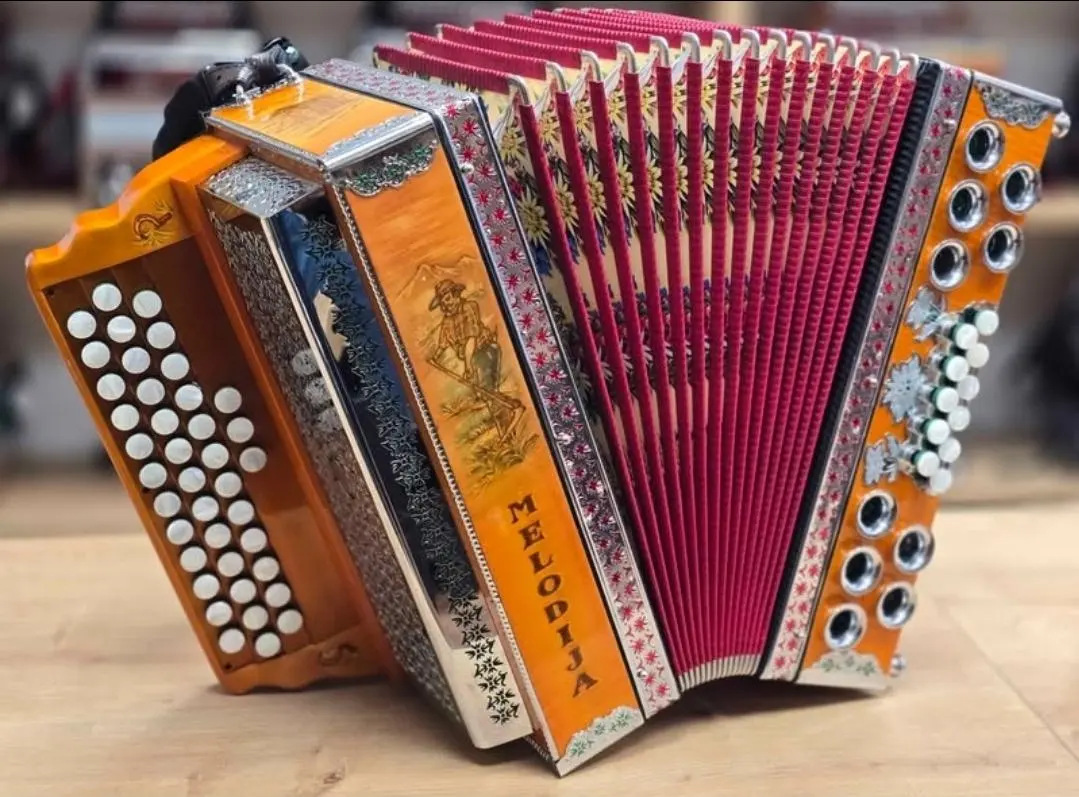 17 na zalogi
Rabljene harmonike
Pregledane, po potrebi servisirane in na novo uglašene – pripravljene na nove odre. Poglej rabljene -
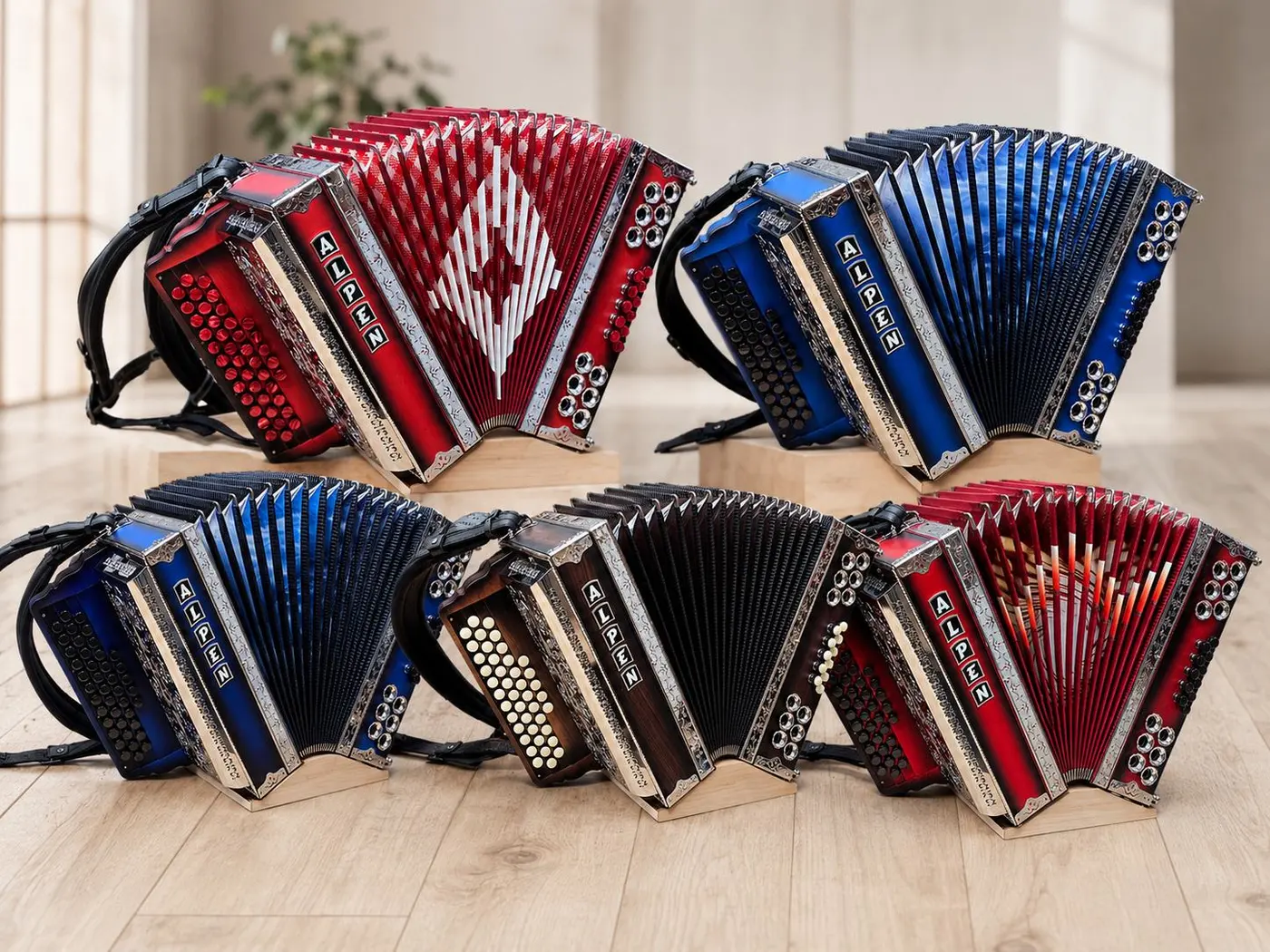
Izposoja
Harmoniko najprej spoznajte, nato se odločite – podaljšate najem ali jo odkupite. Daljši najem, večji popust. Rezerviraj izposojo -
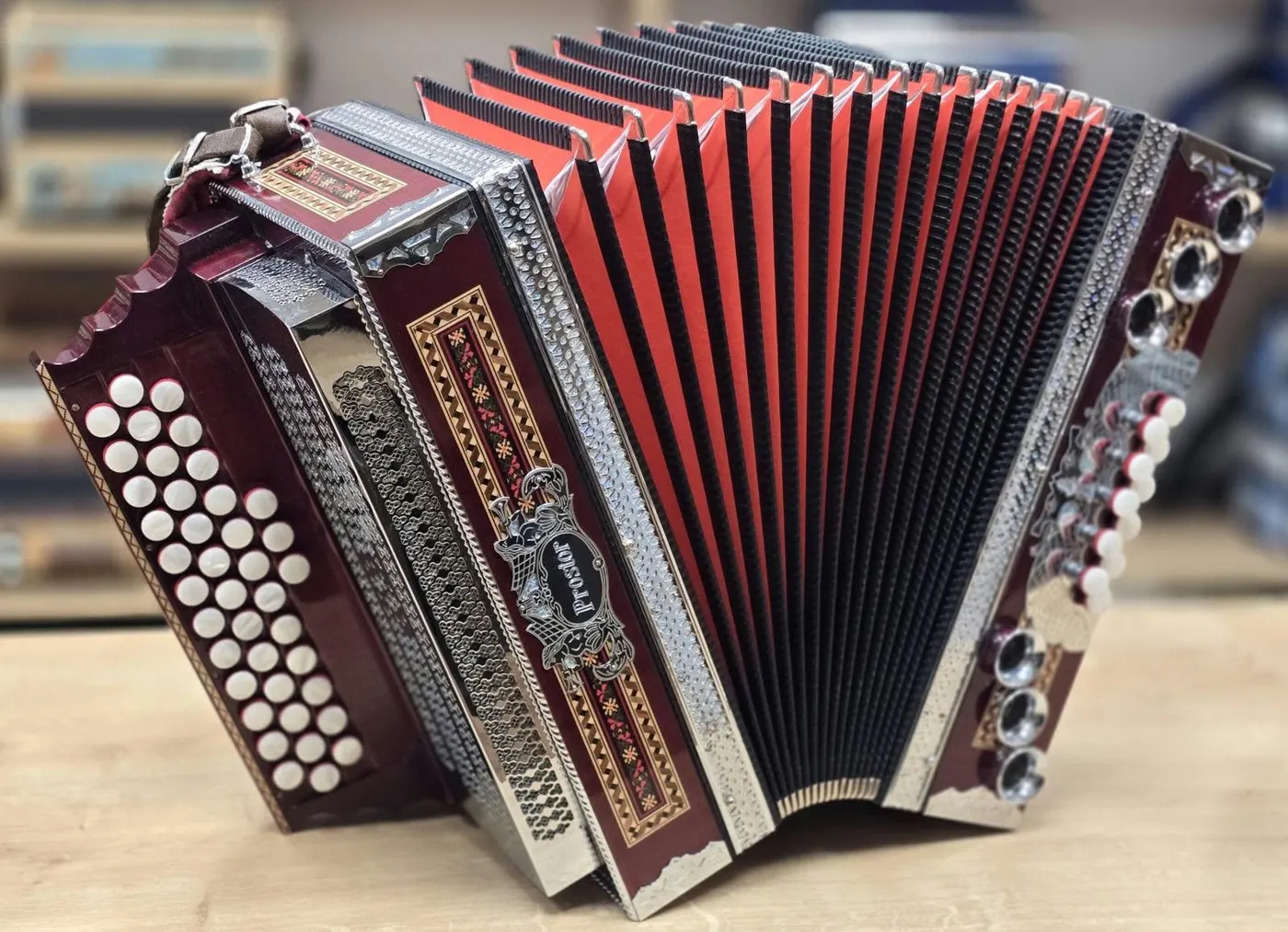
Odkup harmonik
Naložite fotografije, ponudbo dobite v 24 urah. Plačilo takoj – brez tujcev v vaši hiši in brez tveganja. Prodajte harmoniko

E-novice in nova zaloga
Bodite prvi, ko pride nova harmonika.
Prijavite se na e-novice Frajton Centra in prejmite obvestilo o novih harmonikah, akcijah in posebnih ponudbah – preden se oglasi pojavijo drugje.
Ob prijavi prejmete posebno ugodnost Frajton Centra.
03Zakaj Frajton Center
Brezskrben nakup od prvega klica do prvega nastopa.
Pregledano in uglašeno
Vse harmonike, tudi rabljene, so pregledane, po potrebi servisirane in na novo uglašene. Na rabljene dajemo garancijo.
Poiščemo jo za vas
Želene harmonike ni na zalogi? Prek široke mreže partnerjev jo brezplačno poiščemo, pregledamo in pripravimo za prevzem.
Na obroke brez pologa
Nakup nove ali rabljene harmonike do 84 obrokov, brez pologa. Hitro, enostavno in prilagojeno vam.
Menjava stare za novo
Pri nakupu lahko vašo staro harmoniko vzamemo v račun – z vašim ali našim doplačilom.
Brezplačna dostava
Ob nakupu harmonike je dostava na vaš dom brezplačna. Ogled v Žalcu, na Ptuju, v Mariboru ali Ljubljani po dogovoru.
Izkušnje in mreža izdelovalcev
Z izdelovalci različnih znamk sodelujemo že vrsto let, zato vam sestavimo ponudbo po najboljših cenah na trgu.
Zadovoljne stranke
Kaj pravijo naše stranke
5,0 Ocena na Googlu · 6 mnenj
-
★★★★★
bil sem prvič tukaj in kaj naj rečem....korekten odnos, vljuden prodajalec in tu lahko dobiš frajtonerco po želji, če je ni slučajno tam...melodija, jerko, bradeško, prostor, goter, itd...skratka ni da ni...sicer mal skrito, ampak ni problema
Ivan ŽnidarGoogle -
★★★★★
Prijazen lastnik in veliko harmonik na voljo.
Robert OsojnikGoogle -
★★★★★
Great accordions. Friendly manager
Klemen ČesnikGoogle -
★★★★★
Vse ok
Vlado CizejGoogle
brez pologa
Harmonika danes, plačilo po korakih.
Pri vsaki harmoniki v ponudbi je naveden tudi okvirni mesečni obrok. Že od 21,03 € na mesec – Melodija C-F-B-Es 36. Pokličite nas in skupaj poiščemo izračun, ki vam ustreza.

04Pomoč pri izbiri
Ne veste, katera harmonika je prava za vas?
Večina harmonik v resnici precej odstopa od fotografij v oglasih. Pri nas jo preizkusite v živo, mi pa vam svetujemo glede na vaše znanje, način igranja in proračun.
05Storitve
Ob vas pred nakupom in po njem.
Harmonika je instrument za vse življenje. Zato poleg prodaje skrbimo tudi za vse, kar sledi.
Izposoja harmonik
Paketi za 3, 6 ali 12 mesecev, vzdrževanje vključeno, kasnejši odkup možen.
Več o izposojiGotovinski odkup
Odkupimo diatonične harmonike vseh znamk – ponudba v 24 urah, plačilo takoj.
Prodajte harmonikoServis in uglaševanje
Strokoven servis vseh znamk diatoničnih harmonik z garancijo in brezplačnim predračunom.
Cenik servisaDarilni butik
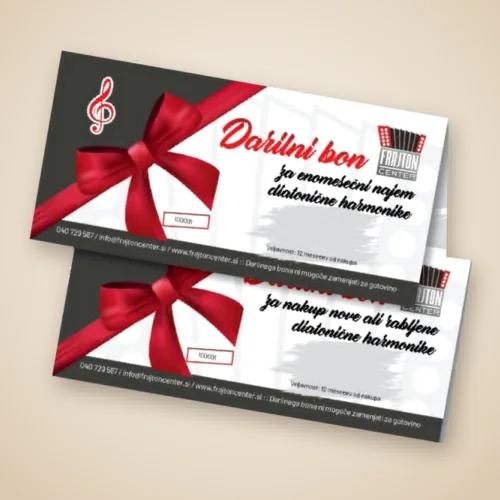
Jermeni, torbe, darila v obliki harmonike in darilni boni – naročite na spletu.
V butik

Frajton Mobil
Z vami po celi Sloveniji.
Ne morete do nas v Žalec? Pridemo mi do vas – s harmonikami za ogled in preizkus, za odkup vaše harmonike ali prevzem na servis.

06O nas
Harmonike živimo – s srcem.
Frajton Center je specializiran za svetovanje in pomoč pri nakupu diatonične harmonike. Povezujemo vas s kakovostnimi izdelovalci in pri tem upoštevamo vaše želje – ne glede na to, ali iščete novo ali rabljeno harmoniko.
Vse rabljene harmonike strokovno pregledamo, po potrebi servisiramo in pripravimo za novega lastnika. Če harmonike po vaših željah trenutno ni, jo poiščemo za vas – vi pa samo pridete, preizkusite, prevzamete in brezskrbno uživate ob igranju svojih najljubših skladb.
»Smo vaš prvi korak k uresničitvi sanj!«

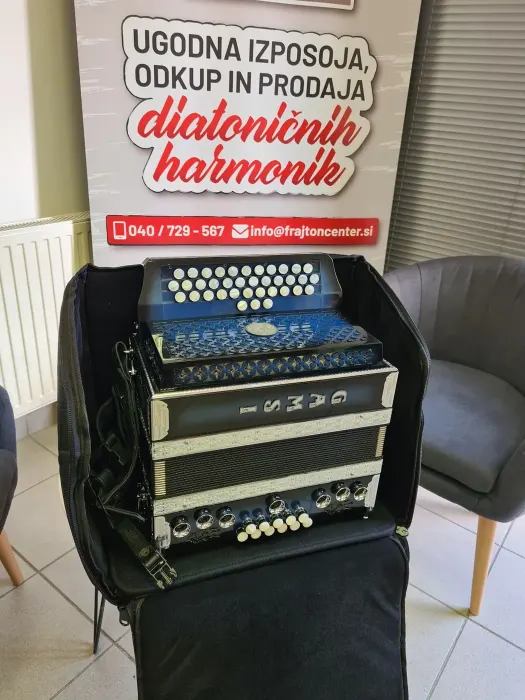
Povpraševanje
Pišite nam.
Izpolnite obrazec in odgovorili vam bomo v najkrajšem možnem času. Lahko nas tudi pokličete – Primož vam z veseljem svetuje.
Raje pokličete?
040 729 567 info@frajtoncenter.siOgled in preizkus harmonik v Žalcu po predhodnem dogovoru.
Lokacija in kontakt
Obiščite nas v Žalcu.
Harmonike si lahko ogledate in preizkusite v Frajton Centru. Pred obiskom nas pokličite, da vam pripravimo instrumente, ki vas zanimajo. Ogled je možen tudi na Ptuju, v Mariboru in Ljubljani po dogovoru.
Mestni trg 5, 3310 Žalec
Zemljevid se naloži z Google Zemljevidov.
Zabukovica 140, 3302 Griže